Neck and shoulder pain is becoming increasingly common among office workers under 40. Long hours at desks, poor posture, and constant stress contribute to discomfort that can affect productivity and overall well-being. Early intervention is crucial, as what starts as mild tension can escalate into chronic pain that limits movement and daily activities. With proper awareness and targeted exercises, these issues can be effectively managed.
What Is the Main Issue Office Workers Are Facing?
Office workers often report persistent discomfort that starts subtly but can intensify over time.
- Neck and Shoulder Tightness: Many experience stiffness or soreness, often worse after long periods of sitting. The muscles fatigue due to prolonged tension, leading to discomfort that can persist beyond work hours.
- Headaches or Eye Strain: Tension in the neck and shoulders can radiate, causing headaches and tightness behind the eyes. This impacts concentration and reduces efficiency at work.
- Reduced Mobility: Pain and stiffness make it difficult to turn the neck fully or lift arms comfortably, limiting normal daily activities.
Even minor discomfort should not be ignored, as it can lead to long-term problems if left unaddressed.
Why Is This Happening to So Many Before 40?
Several lifestyle and workplace factors contribute to neck and shoulder pain among office professionals:
1. Poor Posture
Slouching or leaning forward at a desk places continuous stress on the neck and upper back muscles. Over time, these muscles become fatigued and tense, leading to discomfort. Forward head posture and rounded shoulders are common outcomes, further aggravating the problem.
2. Prolonged Sitting
Sitting for hours without breaks keeps muscles in a static, contracted position. This decreases circulation, increases stiffness, and causes tension to accumulate in the shoulders and neck, making simple movements painful.
3. Weak Muscle Support
Weakness in the upper back, shoulders, and core forces smaller muscles to compensate, which leads to overuse and strain. Without proper strength and support, the body struggles to maintain good posture, worsening pain.
4. Screen Fatigue & Stress
Extended screen time encourages the head to lean forward, while stress tightens the shoulder and neck muscles. Chronic tension caused by mental and emotional stress can eventually turn into persistent physical pain if left untreated.
What Happens If You Don’t Address Neck and Shoulder Pain?
Ignoring neck and shoulder pain can have serious consequences over time:
- Chronic Pain Development: What begins as occasional discomfort can become long-term pain that is more difficult to treat. Chronic pain can interfere with work, exercise, and daily activities.
- Postural Imbalances: Forward head posture, rounded shoulders, and other postural deformities may become permanent, further increasing stress on the spine and muscles.
- Reduced Mobility: Simple actions like lifting objects, turning your head, or even driving may become restricted, affecting your independence and quality of life.
- Sleep and Mental Health Impact: Persistent pain often leads to poor sleep quality, irritability, and lower overall wellness, creating a vicious cycle of discomfort and stress.
Addressing neck and shoulder pain early is essential to prevent these complications.
How Can You Reduce Neck and Shoulder Pain?
Several strategies can help alleviate pain and improve posture:
Ergonomic Adjustments
- Position your monitor at eye level to reduce forward head strain.
- Sit with your feet flat on the floor and elbows at 90° to maintain neutral alignment.
- Use chairs with proper lumbar support to prevent slouching.
Movement & Stretching
- Stand up and stretch every 30–40 minutes to relieve tension.
- Incorporate neck rolls, shoulder shrugs, and upper back stretches during breaks.
- Gentle mobility exercises help maintain flexibility and circulation.
Strength & Fitness
- Strengthen the upper back, shoulders, and core to support posture.
- Focus on stabilizing muscles that reduce overcompensation in the neck.
- Barre fitness classes, yoga, or functional training can improve strength while being low-impact.
Professional Support
- Seek physical therapy or chiropractic care for persistent pain.
- Join targeted fitness programs, including barre classes near me, to combine strengthening, flexibility, and posture correction.
How Can Barre Classes Flower Mound at S2S Reduce Neck and Shoulder Pain?
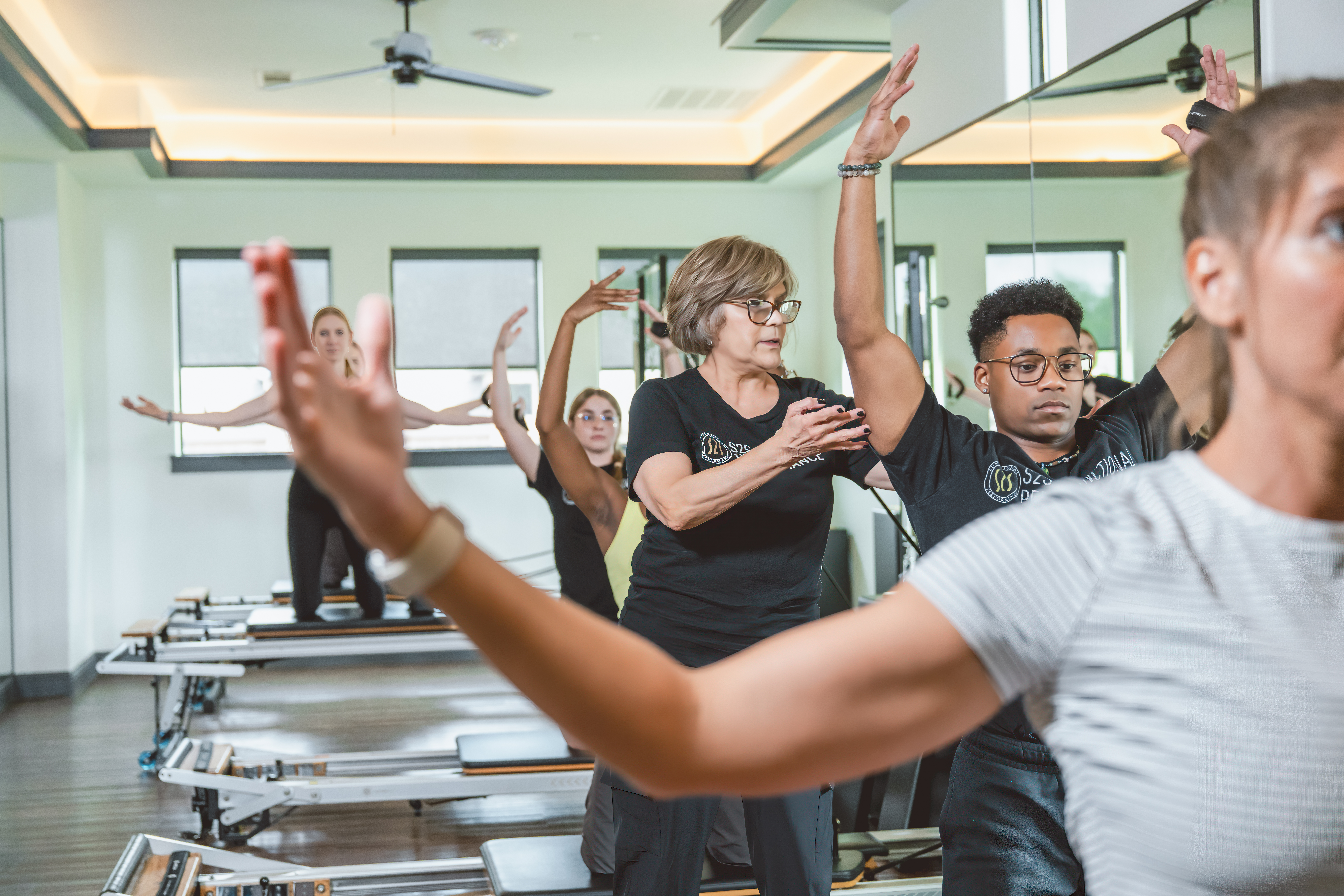
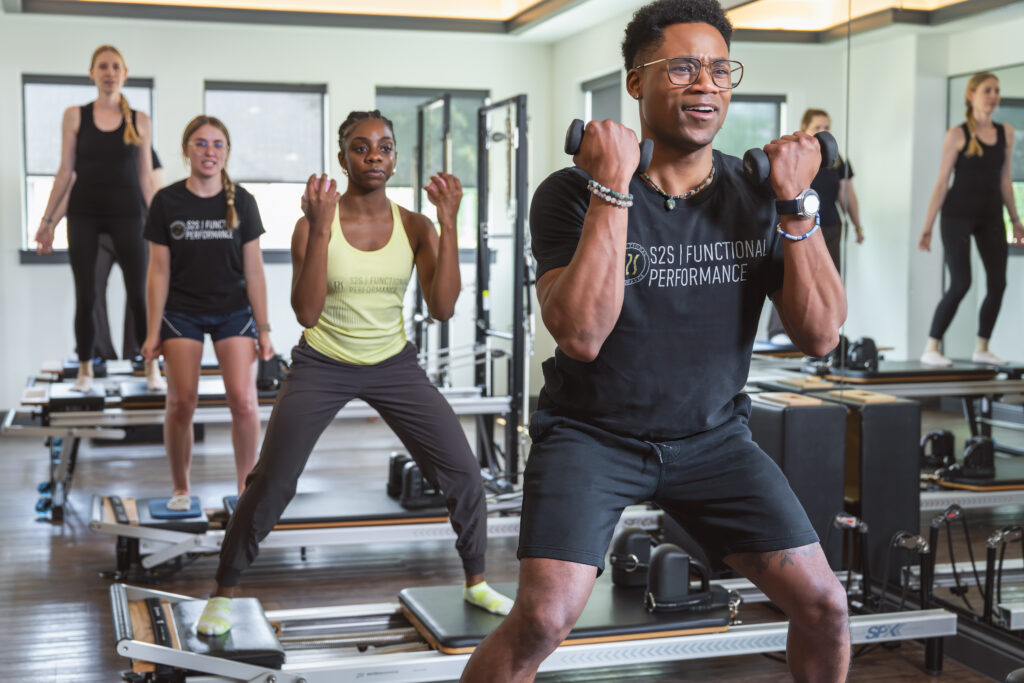
S2S Functional Performance offers specialized barre fitness classes Flower Mound that address neck and shoulder pain holistically.
- Posture Improvement: Barre exercises strengthen the back and core muscles, helping correct forward head posture and rounded shoulders.
- Muscle Balance: Targeted movements focus on stabilizer muscles, relieving strain on the neck and shoulders.
- Flexibility & Mobility: Gentle, progressive stretching enhances range of motion, reducing stiffness.
- Low-Impact Strength: Barre builds functional strength without stressing joints, making it ideal for office workers looking to stay active without injury.
By integrating these classes into your routine, you can reduce tension, improve posture, and prevent future pain.
Conclusions
Neck and shoulder pain in your 30s or early 40s is a warning sign, not something to ignore. By adopting ergonomic habits, staying active, and attending barre classes at S2S Functional Performance® in Flower Mound, you can prevent chronic discomfort, enhance mobility, and improve overall quality of life. Consistency is key—small lifestyle changes and focused exercise can lead to lasting relief and better long-term health.
FAQs:
1. Can barre classes help relieve neck and shoulder pain?
Yes, barre strengthens posture-supporting muscles, improves mobility, and relieves tension in affected areas.
2. How soon can I expect results?
Many participants notice improved posture and reduced tightness within a few weeks of consistent practice.
3. Are barre classes suitable for beginners?
Absolutely. S2S offers modifications for all fitness levels, ensuring safe participation.
4. Do I need any special equipment for barre classes?
No special equipment is required. Comfortable clothing is sufficient, and props are provided.
5. Can these classes fit into a busy office schedule?
Yes. Sessions are designed to complement your work life while improving functional movement and reducing pain.