
Every parent has heard it “her knees hurt after practice, but it’s probably just growing pains.” And while it’s tempting to dismiss recurring knee pain in a teenage athlete as a normal part of adolescence, the truth is far more concerning. If your daughter plays volleyball in Flower Mound and she’s been wincing through practice, sitting out games, or waking up with stiff, achy knees her body is sending a signal that deserves real attention. Parents across Flower Mound are turning to physical therapy in Flower Mound TX, not as a last resort, but as a proactive first step. Ignoring the signs could mean the difference between a strong season and a serious injury that sidelines her for months.
Is Your Daughter’s Knee Pain Really Just “Normal”?
Knee pain in young female volleyball players is extremely common, but common does not mean normal. The repetitive jumping, explosive lateral movements, and constant squatting involved in volleyball place enormous stress on developing knees. When that stress accumulates without proper recovery or expert intervention, pain becomes the body’s way of saying something is wrong. Many families in Flower Mound wait weeks sometimes months before seeking physical therapy in Flower Mound, assuming the discomfort will pass on its own. But passive rest without addressing the root cause rarely solves the problem. In most cases, the pain returns the moment she steps back on the court, often worse than before.
What Could Actually Be Causing Her Knee Pain?
Several conditions are commonly seen in adolescent female volleyball athletes, and understanding them is the first step toward getting your daughter the right help.
Patellar Tendinopathy (Jumper’s Knee) is one of the most prevalent issues in volleyball players. It develops when the tendon connecting the kneecap to the shinbone becomes overloaded from repeated jumping and landing. The pain typically presents just below the kneecap and worsens with activity. Patellofemoral Pain Syndrome is another frequent culprit, where the kneecap doesn’t track properly over the knee joint, causing dull aching pain around or behind the kneecap especially when squatting, climbing stairs, or sitting for long periods.
Young athletes are also at heightened risk for Osgood-Schlatter Disease, a condition where the growth plate just below the knee becomes inflamed due to repetitive stress. Additionally, IT Band Syndrome and muscle imbalances particularly weak glutes and hip stabilizers are often overlooked contributors to knee pain that no amount of icing or rest will fully resolve. These are exactly the conditions that a qualified physical therapy Flower Mound specialist is trained to identify and treat at the source.
What Happens If You Wait Too Long?
This is the question every parent needs to sit with. When knee pain in a young athlete is dismissed or undertreated, the consequences can extend far beyond one season. Chronic tendon issues can worsen into partial tears. Poor movement mechanics left uncorrected dramatically increase the risk of ACL injuries, which are already alarmingly prevalent in female athletes due to biomechanical differences in hip width, muscle strength, and landing patterns. A minor issue caught early and addressed through physical therapy in Flower Mound TX, often requires just a few weeks of targeted care. Left unaddressed, that same issue can demand surgery, months of rehabilitation, and, most painfully, the potential loss of a sport she loves.
What Are the Most Effective Treatment Options for Young Athletes?
The good news is that most knee pain in volleyball players responds exceptionally well to the right intervention. Treatment isn’t just about reducing pain it’s about correcting the underlying movement dysfunctions that caused the pain in the first place.
A comprehensive approach typically begins with a thorough movement assessment to identify weakness, tightness, or compensatory patterns. From there, a combination of manual therapy to address soft tissue restrictions, targeted strengthening of the glutes, hips, and quadriceps, neuromuscular training to improve landing mechanics, and sport-specific functional exercises are used to rebuild the knee from the ground up. Athletes receiving physical therapy Flower Mound also benefit from structured load management education helping both the athlete and parents understand training volume, recovery windows, and how to prevent recurrence once she’s back to full performance. For those wanting to stay active and conditioned during recovery, fitness classes Flower Mound offer a supervised environment where she can keep moving safely without aggravating the injury.
How Does S2S Functional Performance Help Volleyball Athletes Get Back Stronger?
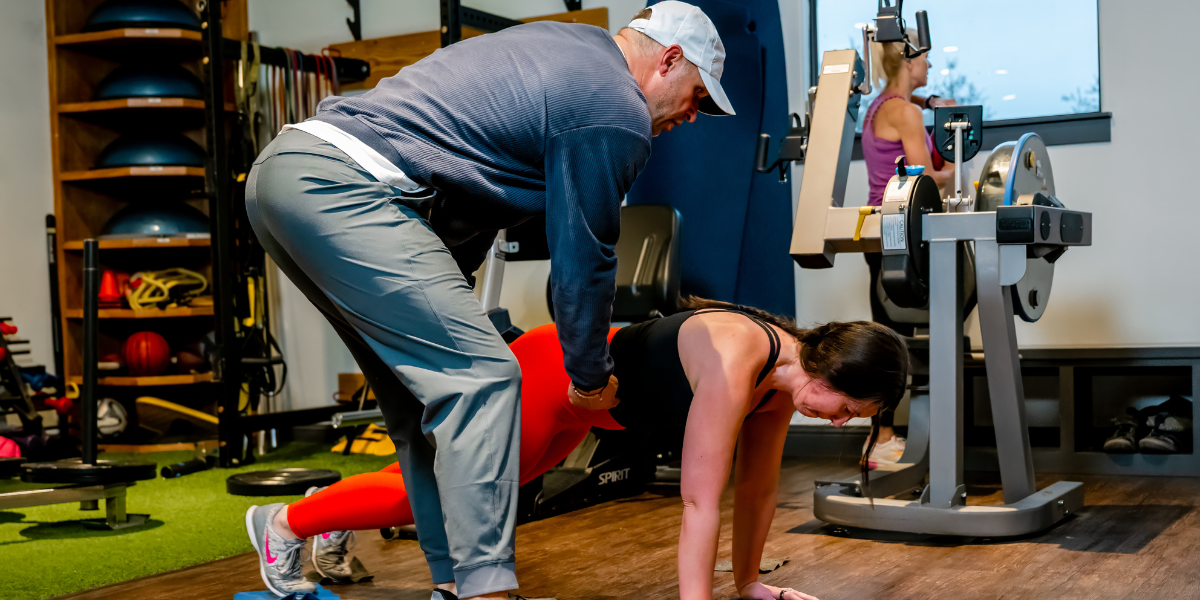
At S2S Functional Performance, we don’t treat symptoms we treat athletes. Our team specializes in working with young, competitive athletes right here in Flower Mound and understands the unique demands that volleyball places on a developing body. When your daughter walks through our doors, she receives a thorough functional assessment designed to uncover not just where she hurts, but why she hurts.
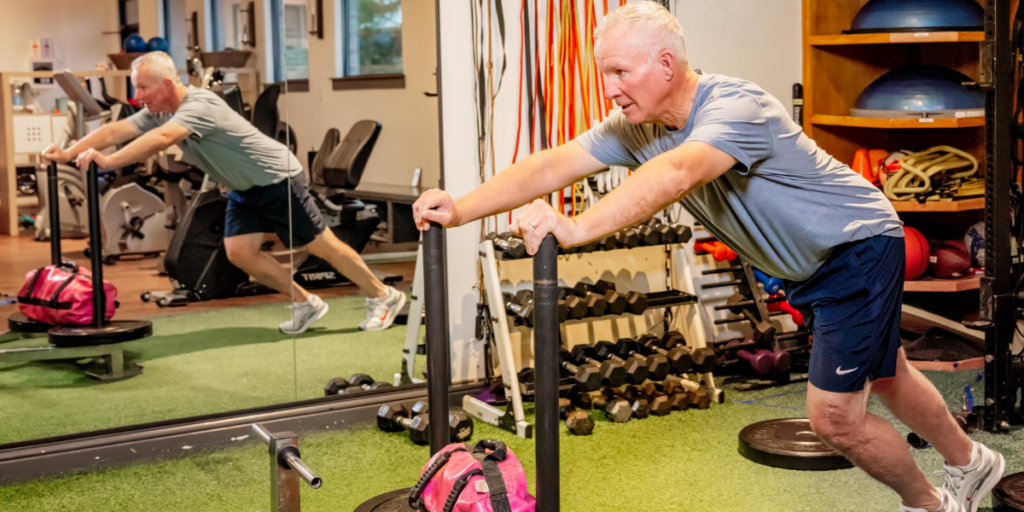
Our physical therapy in Flower Mound TX goes beyond standard rehabilitation. We integrate strength training, movement re-education, and performance work so that when she returns to the court, she’s not just pain-free she’s more resilient, more powerful, and better protected against future injury. Athletes who participate in our fitness classes in Flower Mound alongside their therapy program consistently report faster return-to-sport timelines and stronger overall performance. Our structured, coach-led environment ensures she’s never training in a way that sets her recovery back.
We work closely with parents throughout the entire process, keeping you informed and involved every step of the way. Because we know this isn’t just about volleyball it’s about her confidence, her passion, and her long-term health.
Ready to Stop Guessing and Start Healing?
Your daughter doesn’t have to keep playing through pain, and she doesn’t have to sit on the sidelines wondering when she’ll feel normal again. Families throughout Flower Mound trust S2S Functional Performance for expert physical therapy in Flower Mound TX that delivers real, lasting results not just temporary relief. The sooner she gets a proper assessment, the sooner she can get back to doing what she loves at full strength. Contact S2S Functional Performance today to schedule her evaluation and take the first real step toward a full, confident recovery.
Frequently Asked Questions
1. How do I know if my daughter’s knee pain is serious enough for professional help?
If the pain has lasted more than one to two weeks, is affecting her performance or sleep, or keeps returning after rest, it’s time to get a professional evaluation. Early intervention almost always leads to faster, more complete recovery than waiting it out.
2. Will treatment mean she has to stop playing volleyball completely?
Not necessarily. Depending on the severity and diagnosis, many athletes continue modified training while undergoing therapy. At S2S Functional Performance, we create individualized plans that keep her as active as safely possible throughout the recovery process.
3. Isn’t knee pain in teenagers just part of growing up?
While some discomfort can be associated with growth spurts, persistent or activity-related pain is not something to normalize. Conditions like Osgood-Schlatter or patellar tendinopathy are real diagnoses that require proper treatment not just time.
4. How long does treatment typically take for a volleyball knee injury?
Recovery timelines vary based on the specific condition and how long it’s been present. Many athletes see significant improvement within four to eight weeks of consistent care, while more complex cases may require a longer program.
5. Can S2S Functional Performance help with injury prevention, not just treatment?
Absolutely. Injury prevention is a core part of what we do. Through our structured programs and coach-led environment, we help athletes build the strength, stability, and movement quality that dramatically reduce injury risk before problems even develop.